When a homeowner or designer in the Palm Desert area wants a fixture, hardware, or architectural element that looks like it has decades of history, the answer is almost never an old part. It’s a patina metal finish — a controlled chemical or mechanical process that transforms new metal into something rich, complex, and beautifully aged. Whether you’re sourcing cabinet pulls, lighting fixtures, or custom architectural panels, understanding how these finishes are made helps you choose the right one with confidence.
1. What Patina Metal Finishes Actually Are
A patina is a surface layer that forms on metal through oxidation, chemical treatment, or deliberate aging techniques. In decorative plating and metal finishing, the term covers a wide range of looks — from the warm brown tones of an aged brass patina to the deep, matte color of an oil rubbed bronze finish.
Patinas are not simply dark paint or a coat of wax. They are actual chemical or electrochemical changes to the metal surface. That’s what gives them their depth, variation, and authenticity. No two pieces come out exactly alike, which is a big part of their appeal.
2. The Role of Base Metals in Creating Antique Metal Finishes
The starting material matters enormously. Most antique metal finishes begin with copper, brass, bronze, or zinc as the base. These metals react naturally with oxygen, moisture, and applied chemicals, making them ideal candidates for patination.
In commercial and decorative plating applications, a substrate metal is often electroplated with copper or brass first — even if the final piece is made of steel or aluminum. This gives the finishing chemist a reactive surface that responds consistently to patination chemistry.
- Copper: Produces green and blue-green patinas (classic verdigris effect)
- Brass: Ages to warm ambers, browns, and deep golds
- Bronze: Develops rich brown, red-brown, and dark chocolate tones
- Zinc/Pewter: Creates cool, silver-gray aged finishes
3. Chemical Patination: The Most Common Method for Decorative Patina Plating
Most decorative patina plating involves applying a chemical solution to the metal surface. These solutions react with the metal to create oxides, sulfides, or carbonates — compounds that have their own distinct colors and textures.
Liver of sulfur (potassium polysulfide) is widely used to produce deep browns and blacks on copper and brass. Ferric nitrate creates warm browns on copper. Ammonia fuming generates the classic blue-green patina seen on copper roofing and statuary.
The finisher controls the depth and appearance by varying concentration, temperature, application time, and mechanical intervention — brushing, wiping, or burnishing the surface at different stages. This is craft as much as chemistry.
4. How an Oil Rubbed Bronze Finish Is Produced
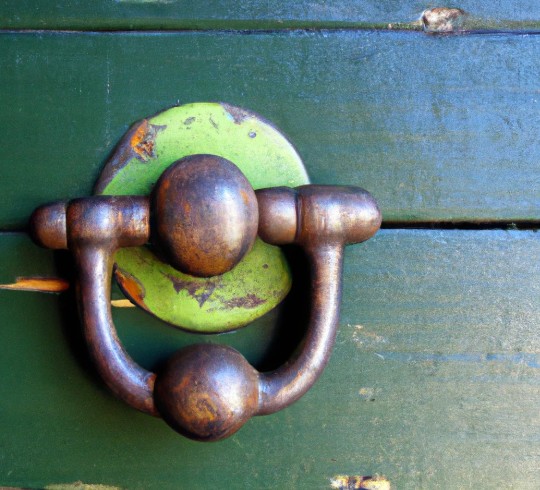
The oil rubbed bronze finish is one of the most requested looks in decorative hardware today. It mimics a naturally aged bronze surface — deep, dark, and slightly uneven — with subtle highlights where years of handling would have worn the patina away.
To produce this finish, a base of real or plated bronze is first given a dark chemical patina. The surface is then hand-rubbed or mechanically burnished at the high points — edges, ridges, and raised details — to reveal the lighter metal underneath. A protective coating of wax or lacquer is applied to seal the finish and prevent further oxidation.
The result is a finish that looks like it has been touched by thousands of hands over decades. It works beautifully with traditional, transitional, and rustic design styles.
5. Mechanical Aging and Distressing Techniques
Chemical treatment is often paired with mechanical distressing to add authenticity. Tumbling, wire brushing, sandblasting, and hand hammering all create surface irregularities that catch light differently and reinforce the aged look.
In high-end decorative applications, finishing technicians may apply multiple chemical layers and perform several rounds of mechanical work before arriving at the final result. This is why quality antique metal finishes from a professional plating house look distinctly different from spray-painted knockoffs.
Frequently Asked Questions About Patina Metal Finishes
Q: How durable are patina finishes on hardware and fixtures? Durability depends on the sealing method used. Lacquered patina finishes resist moisture and handling well in interior applications. For exterior use or high-traffic hardware, a more robust clear coat or a wax maintenance schedule is recommended. A professional plating shop can advise on the right protection for your specific application.
Q: Can an aged brass patina be applied to existing hardware? Yes, in most cases. Existing brass or brass-plated hardware can be stripped, re-plated if needed, and then patinated to create a fresh aged look. This is a common request from designers working on renovation projects where the goal is to unify new and old pieces across a space.
Q: Is there a difference between a patina finish and an antique finish? The terms are often used interchangeably, but there is a subtle difference. A patina describes the actual chemical surface layer — it’s a physical phenomenon. An antique finish is a broader design term that describes any process intended to make metal look old, which may include patination, distressing, burnishing, or a combination of all three.
Ready to Order Custom Patina Finishes for Your Project in Palm Desert?
Palm Springs Plating serves designers, contractors, and fabricators throughout the Coachella Valley with professional decorative metal finishing — including aged brass patina, oil rubbed bronze, verdigris, and custom antique looks. We work on hardware, lighting, architectural elements, and custom fabricated parts.
Contact us to discuss your project. We’ll walk you through your options, help you select the right base metal and finish approach, and give you an accurate quote for your timeline.
Posted on March 3, 2026 | Published by Ignite Local | Related Local Business
Recent Comments